-

- 10 July 2026
- Comment (0)
Beat the Heat Safely During Blazing Summer Days
Even when people remember to avoid strenuous activity and excessive physical exertion in hot weather until the coolest part of the day, summer heat can still cause dehydration or heat stroke. However, prevention is key.
Governor Wes Moore declared a State of Preparedness in Maryland ahead of a heat wave that was expected to last from Wednesday, July 1, to Sunday, July 5, 2026.
“While Marylanders begin enjoying summer days, we remind our communities to stay safe—many are at risk for heat-related illness during the extreme heat we are experiencing this week,” said Maryland Department of Health Secretary Dr. Meena Seshamani said in a press release (https://governor.maryland.gov/news/press-releases/governor-moore-declares-state-preparedness-ahead-historic-heat-wave). “Remember to check on those who are particularly vulnerable to this weather, including young children, senior citizens and people with chronic diseases. Be sure that they have the resources they need to stay comfortable and safe, or help them locate one of the dozens of local cooling centers available.”
Even when heat waves are not moving through the area, beat the heat safely, and remember who is most vulnerable to heat-related illness. The highest risk groups include people under age 5 or over age 65; individuals with chronic illnesses; people who take certain medications; and individuals who are exercising or working outdoors, according to the Maryland Department of Health (https://health.maryland.gov/preparedness/Pages/Hot-Weather-Health-Issues-and-Concerns.aspx).
The CDC added that heat can worsen the health of pregnant women, children or teens with asthma, or individuals with heart conditions or other chronic health conditions (https://www.cdc.gov/heat-health/about/index.html?CDC_AA_refVal=https%3A%2F%2Fwww.cdc.gov%2Fextreme-heat%2Fprevention%2Findex.html).
Not everyone has access to air conditioning or even fans. There is no place like home, but during extreme heat, craft a plan to help yourself stay cool. Leave your residence to find a cooling center in Maryland (https://health.maryland.gov/preparedness/Pages/Cooling-Centers-Contact-List-2026.aspx), in Baltimore City (https://www.baltimorecity.gov/homeless/code-red-resources), or, if you must, go to a mall or library.
Baltimore City Cooling Centers are available to all Baltimore residents, including those experiencing homelessness, per information provided by the City of Baltimore.
“The Baltimore City Health Commissioner issues a Code Red Extreme Heat Alert when the forecasted heat index, a measure of air temperature and relative humidity that indicates how hot it feels outside, is greater than or equal to 105ºF.”
When individuals are unsure of whether a Code Red Extreme Heat Alert remains in effect, they can call Baltimore City 311 Services to obtain information from 311 operators. They can provide residents with cooling center locations and safety tips.
“Individuals can also call 3-1-1 to report concerns about vulnerable neighbors on Code Red Extreme Heat Alert days,” according to Baltimore City.
Using fans is not always the answer to staying cool. The CDC stated that people should use fans only if indoor temperatures are less than 90°F.
“In temperatures above 90°F, a fan can increase body temperature ( https://www.cdc.gov/heat-health/about/index.html?CDC_AA_refVal=https%3A%2F%2Fwww.cdc.gov%2Fextreme-heat%2Fprevention%2Findex.html).”
Not everyone likes the taste of water but drinking it is mandatory to prevent dehydration. Drink fluids often and in sufficient amounts, not just when you are thirsty. Pre-chill water in the refrigerator or freezer before leaving home to keep it cold.
“Drink 2-4 glasses (16-32 ounces) of water or fruit juice each hour. Avoid alcohol, caffeine and overly sweetened beverages,” the Maryland Department of Health advised.
The CDC issued a simple, personal reminder to check your urine color.
“When it's light yellow or clear, it usually means you are drinking enough water.”
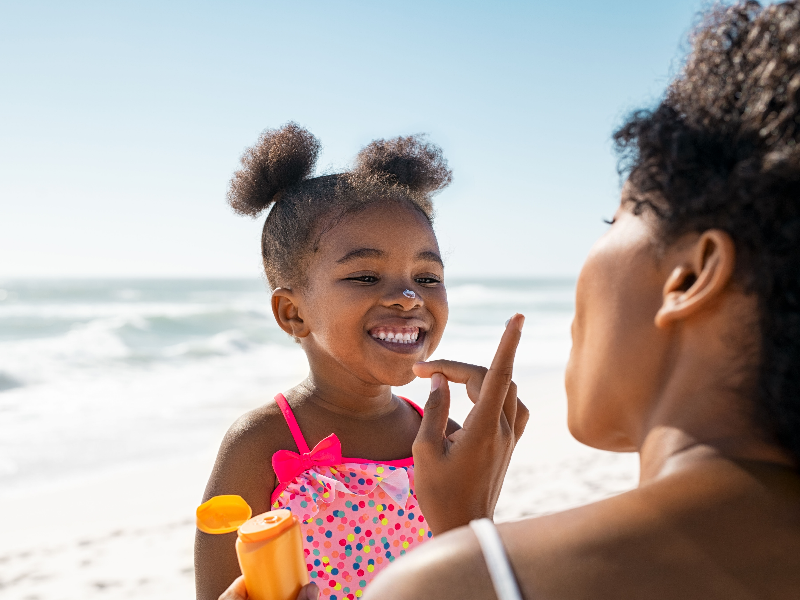
The Maryland Department of Health shared more tips to beat the heat safely. They included wearing loose-fitting, lightweight, light-colored clothing; staying in the shade and avoiding direct sunlight. Do not forget to apply sunscreen. Wear a wide-brimmed hat and sunglasses to protect your eyes.
The Maryland Department of Health further advised individuals to never leave children or pets in a car, even with the windows cracked, no matter how short the period.
When planning to sip water on hot days, an overlooked issue is keeping reusable plastic water bottles bacteria-and mold-free. Check whether your water bottle is dishwasher safe. Clean and sanitize it regularly, including the outside, even if you must wash it by hand. Steel and glass bottles are also options, but consider your lifestyle, budget and needs.
Choose snacks that hydrate your body and boost your fluid intake. Cucumber, celery, mushrooms, strawberries, and watermelon are among the hydrating foods that you can add to your summer list, according to Health.com (https://www.health.com/best-hydrating-foods-11757276).